Ten Trailblazing Suffragettes
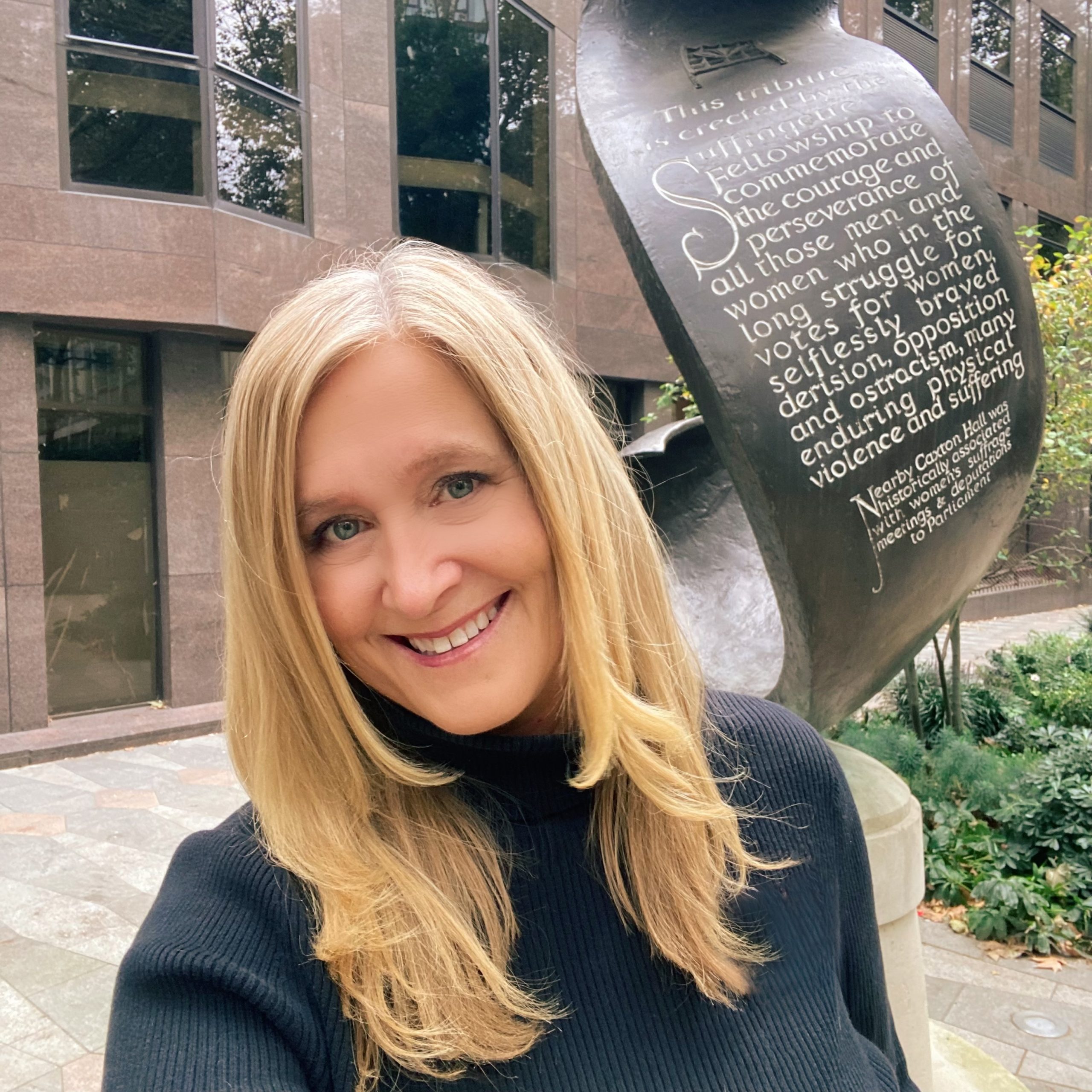
A photo of me in front of the Suffragette Monument in London crossed my social media feed recently, and it got me thinking about how many fab monuments and blue plaques I’ve passed in London which celebrate the famous female leaders of history who fought bravely for the rights of women that I enjoy today. But these famous women are only a tiny fraction of the many women who sacrificed for their cause.
So, here are ten inspiring Suffragettes you may not have heard of. And yet, each are trailblazers that deserve celebration. They are aristocrats and working class; white women and women of colour; locally-born and immigrants — all united in their vision of a more equal world for women and the courage to fight for it. I’ve enjoyed getting to know more about them, and hope you will too!
Louisa Garrett Anderson – just what the doctor ordered
Many have heard of Elizabeth Garrett Anderson, the first British woman to qualify as a doctor, but her less-celebrated daughter Louisa deserves heaps of praise herself. She became a doctor like her mother, campaigned for suffrage alongside her mother, and unlike her mother took greater risks and was sentenced to hard labour in prison for her actions as a Suffragette. When WWI broke out, the Brits weren’t interested in female leaders, but Louisa founded the Women’s Hospital Corps and her all-female team led a hospital in Paris where she served as Chief Surgeon. The British War Office were surprised by her success and expanded her role. Between hospitals in France and the UK she oversaw treatment of over 50,000 soldiers and pioneered breakthrough antiseptics still in use today.
Rosa May Billinghurst – a literal steamroller
May was born into a working class family and lived in my own hood of Greenwich. She survived polio as a child which left her unable to walk, but refused to let her disability slow her down. She worked with women and children living in slum conditions and believed if women had the vote they could fight poverty. May founded the Greenwich WSPU and became a prominent activist, protesting in her wheelchair which she decked out with brightly coloured suffragette ribbons. She endured violence on the streets and was arrested and imprisoned multiple times, including an 8-month stint where she went on hunger strike and was permanently injured while being force fed. May survived and went right back to her activism and support of women throughout her life.
Adeline Bourne – born to take the stage
Adeline was born in India but attended school in the UK. That is, until she was expelled from multiple schools and her parents decided a governess would be a better educational option for their little firecracker. She became a successful actress, choosing to star in avant-garde and feminist roles, and then gathered her friends to found the AFL — Actresses’ Franchise League — to fight for the rights of women. They wrote plays, performed and spoke all over the country using their fame and comedic style to attract attention to their cause. She also raised funds and founded the British Women’s Hospital as well as an employment organisation for women.
Sarah Parker Redmond – championing global human rights
Sarah was born a free black woman in the US and gave her first abolitionist speech at just 16 years old. She toured the US speaking out against slavery and fighting for women’s rights, and then came to Britain to continue her activism and her education. She spoke to crowds of thousands across the country while training as a physician, and was the first Black woman to become a signatory of the UK Votes for Women petition. And she did it all despite significant racial prejudice and discrimination throughout her life. Still, she persevered for others and for herself. Sarah completed her medical training in Italy where she married and became the first Black female doctor in Italy, where she served for more than 20 years.
Emily Davies – teaching us all
Emily was an early Suffragette, partially fuelled by her father insisting that only boys in her family would receive an education while girls should focus on needlework. She formed societies promoting employment for women, votes for women, and was a founding member of the Kensington Society which organised the first campaigns for female suffrage. But Emily’s key goal was to enable higher education for women. She and was elected to the London School Board representing my own borough of Greenwich; and she successfully founded Girton College, the first university for women, with a curriculum equal to that offered to men at Cambridge.
Paulina Irby – travel writer on a mission
Paulina was born in England to a prominent family and could easily have lived a life of luxury. But her adventurous spirit prevailed and she became a travel writer instead, journeying through less explored parts of Europe. During her travels in the Balkans she became deeply concerned about the education, safety and rights of women in the region, and she set out to make a difference. She wrote extensively to raise awareness internationally. She set up schools for girls, built homes for orphans and procured food and medical supplies, saving the lives of more than 40,000 people. She remained in Sarajevo educating the next generation, and left her fortune to support the advancement of women. When she died 15,000 locals attended her funeral.
Adelaide Knight – challenging stereotypes from every angle
Adelaide faced barriers that many other Suffragettes did not. She was a working-class woman from London’s impoverished East End. She was born with deformed thumbs and her legs needed crutches to walk. She was in a mixed race marriage and suffered racial as well as classist prejudice. But she would not be deterred from the fight. When her activism as a suffragette resulted in the choice of halting her protests or going to prison, Adelaide chose prison despite the toll she knew it would (and did) take on her fragile health. After prison, she continued the fight for women workers and voting rights, and was elected as a Poor Law Guardian for her district.
Bhikaiji Cama – female freedom fighter
Madame Cama was born in British India to a prominent Parsi family and spent her time helping those less fortunate. She contracted the bubonic plague while nursing others and was sent to England for treatment and recovery. While in London she met Suffragettes and others fighting for causes she believed in. Bhikaiji was a vehement supporter of gender equality, and wanted far more than the right to vote. She believed for Indian women to have true freedom the country needed independence from Britain, and she became an outspoken freedom fighter. As a result she was banned from returning to India unless she renounced her nationalist views. She refused and spent much of the rest of her life in exile campaigning for her cause.
Elizabeth Robins – the Suffragette’s Shakespeare
Elizabeth was born in the US and became a successful actress. Her less successful husband struggled with her success, and after the shock of his suicide she moved to the UK for a new start, where she became an influential performer, writer and champion for women. She wrote novels and plays highlighting women’s issues of marriage, economic dependence and limited opportunities. Her play ‘Votes for Women’ was a massive success that brought the suffrage movement to the mainstream stage. Later, she played a key role in personally funding the education of female doctors and setting up set women’s hospitals to provide accessible healthcare for women.
Victoria Lidiard – the longest surviving Suffragette
Victoria left school at 14 to work while studying bookkeeping in the evenings. When her father refused to provide an education equal to her brothers, she joined the Suffrage movement and was an active speaker and protester, which led to having to spend 2 months in prison for her actions. She met her husband while campaigning and he joined her in the fight. She became one of the first female opticians and continued to support women throughout her long life, including spending her final 10 years campaigning for the ordination of women priests, a cause that still continues today.
Conclusion
I hope you’ve enjoyed the highlights of these ten trailblazing suffragettes, and I hope it’s encouraged you to learn more about the amazing women of history who have paved the way for women today.