Trailblazing Royal Women of Britain
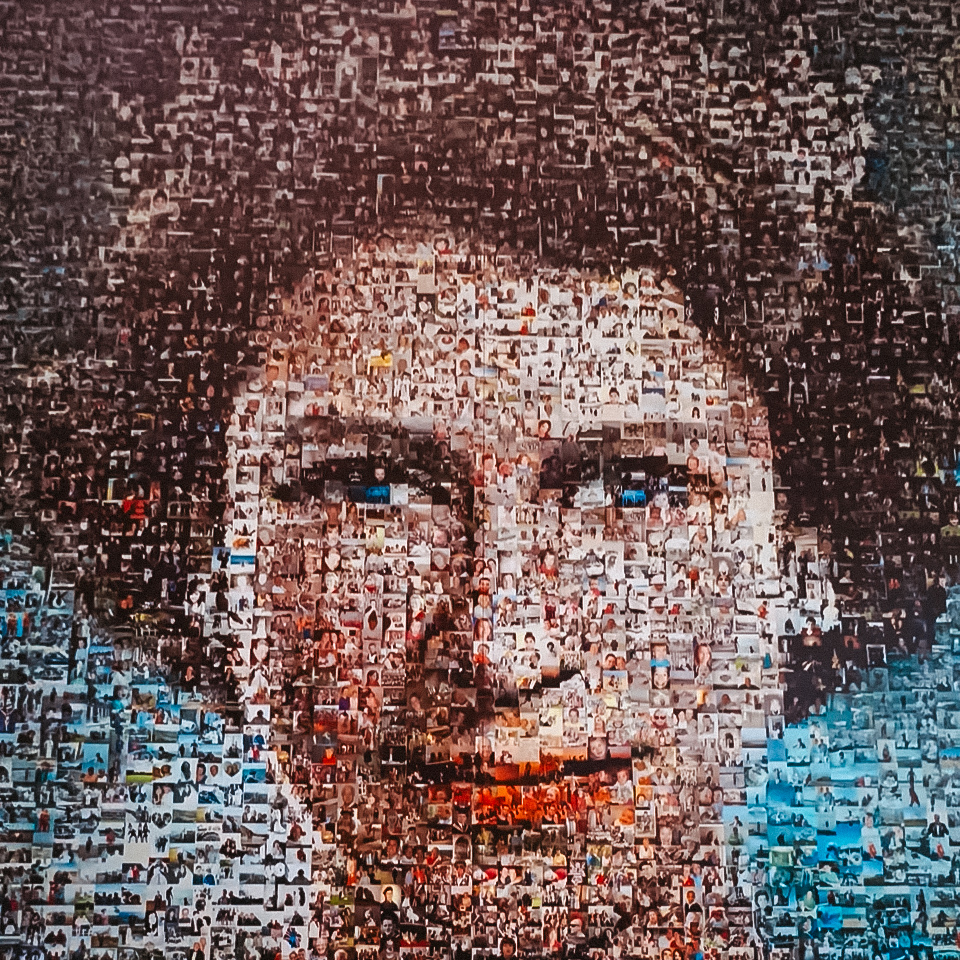
I recently returned to London through Gatwick Airport, which has one of my fave art installations – a massive portrait of Elizabeth II made up of thousands of photos of her people. It’s such a lovely tribute to her and to her role. Thanks to Elizabeth it’s easy to imagine a woman on the British throne. And she was certainly influential – a true role model of citizenship and symbol of stability throughout significant societal shifts. She also modernised the monarchy for a new era – including changing the law so that the first born becomes heir regardless of gender, paving the way for many more queens to come!
It’s true that only a handful of women have ever served as monarch, and the history books often focus on the Kings in charge, but British history is full of impressive women like Elizabeth. Here are 10 more influential royal women who have left their mark through the ages, and where you can walk in their footsteps.
Boudicca – the literal trailblazer
Women were blazing trails on these shores even 2000 years ago. In fact, Boudicca was a literal trailblazer — I mean like she burnt London to the ground! Boudicca’s husband was King of the local Iceni People, but when he died and left his kingdom to his two daughters, the Romans decided to take over. They plundered property, flogged Boudicca and raped her daughters. So Boudicca led her army across the country driving out the Romans until she arrived in London and sent it up in flames. Today a fab statue of Boudicca charging in her chariot towards Parliament stands as symbol of strength and resilience — and a reminder of what can happen if you scorn the wrong woman! If you want to walk in her footsteps, a great spot is the Oak Trail walk just outside of London in the seriously ancient Epping Forest which is rumoured to be the scene of her last stand.
Bertha Queen of Kent – the OG Canterbury Tale
On my last trip to Canterbury I stumbled across a statue honouring a new (to me) queen – and what a story she has! It’s basically the OG Canterbury Tale. Bertha Queen of Kent was a French princess who arrived here in 580AD to marry King Aethelberht, and a condition for the marriage was that she would be able to continue to worship as a Christian. She convinced the Pope to send St Augustine who became the very first Archbishop of Canterbury and with Bertha’s support led to the conversion of her husband the King and ultimately much of the country to Christianity. So, if you enjoy visiting Canterbury Cathedral or celebrating Christmas in England you can thank Queen Bertha’s influence!
Aethelflaed of Mercia – the Warrior Queen
Aethelflaed was born into war, and a fight for survival against Viking invaders. She was the daughter of King Alfred the Great of Wessex, and in a strategic alliance she was married at the age of 16 to Aethelred, the ruler of the neighbouring kingdom of Mercia. Together with her husband they rebuilt London and then battled the Vikings to take back vast swathes of land from the Danes. Legend has it that she brought a great deal of military leadership and strategy to the table. She built forts, founded towns, and strengthened their position across the country. When her husband fell ill, Aethelflaed stepped in to lead on her own and was so effective that against convention she was chosen to rule Mercia when he died. She was highly instrumental in uniting Wessex and Mercia, and her nephew became the first king of the newly united England. Today there’s a lovely statue of her at her castle at Tamworth in the West Midlands.
Eleanor of Aquitaine – She’s So Dover it
Dover Castle is fab to visit for so many reasons, and one of them is that it’s the setting of a Medieval soap opera starring Eleanor of Aquitaine. In 1137, Eleanor inherited the largest province in all of France, which basically means she became Europe’s biggest target for kidnapping and forced marriage. She was ‘saved’ by the King of France who made her his Queen, but after having two daughters and no sons, the marriage was annulled. After more kidnapping attempts, she was ‘saved’ again by the future King of England and soon became Queen of a second powerful country — and had not one but five sons. That might sound great for the King of England but perhaps he should have listened to her a bit more as Eleanor joined forces with her sons to overthrow her husband. When her son King Richard the Lionheart succeeded to the throne he went off to the Crusades and Eleanor served as regent ruling England for nearly two decades. Not too bad an ending for a ‘damsel in distress’.
Elizabeth Woodville – anything but common
The Medieval Great Hall at Eltham Palace in Greenwich is a site to behold and the favourite palace of King Edward IV and his wife Elizabeth Woodville, who in 1464 became the first commoner to be crowned queen. Of course Edward was supposed to marry nobility and specifically a French princess. So his decision to marry a commoner instead was a key driver in the real life soap opera we now call the War of the Roses. To add to the drama, people were convinced the only way a common woman could get a king to marry her was if she was a witch, and they even put her mother on trial for witchcraft. I mean who needs fiction when you have history like this! Despite the odds, Elizabeth navigated a challenging political landscape, became a patron of the arts, rejuvenated the famous Queens College Cambridge, and personally secured the Tudor line through strategic marriages for her children. You’re welcome Henry VIII!
Anne Boelyn – a new religion
Not many queens can say an entire religion was created just for her, but Anne Boelyn can! She was only queen for about 1000 days and it didn’t end well for her, but her influence was massive. Henry VIII was so desperate to have a son and not just a ‘lowly’ daughter that he broke with the Catholic Church in order to divorce his first wife and marry Anne, an act which led to the establishment of the Church of England. But Anne’s reign didn’t just change religion — She also transformed the Tudor court into a centre for artistic and intellectual progress, and she introduced dramatic French fashion thanks to her time spent in the French court. Beauty…Brains…Beheaded (sigh). Anne left her mark on a number of castles across England, and one of my faves is her childhood home Hever Castle where you can stroll the lovely grounds and learn more about her.
Elizabeth I – all the world’s her stage
Anne Boelyn’s daughter Elizabeth is arguably one of the most influential royals of all time – male or female! As one of the first women to rule in her own right, she solidified her power by refusing to marry at a time when a woman on her own was unheard of, and she went on to lead England into a Golden Age. Elizabeth ruled with more pragmatism and tolerance than her predecessors, creating greater stability at home; and she united the nation with a moving speech as they fought off the Spanish Armada. She used her diplomatic skills — and her position as a woman — to strengthen relationships abroad and encourage global exploration and trade, with Britain emerging as a global power. She also encouraged the arts, which thrived under her rule, and theatre companies like Shakespeare’s gained legitimacy through her support. She did much of this from her birthplace and favourite palace in Greenwich, which no longer stands, but the gorgeous Queens House overlooking the grounds is there along with her powerful Armada portrait.
Caroline of Ansbach – the brainy one
Perhaps the brainiest royal is Queen Caroline of Ansbach, wife of George II. Poor George didn’t really like it here in England and spent much of his time in his birthland Germany. Lucky for him he had Caroline, who not only ruled as regent while he was away but was actually the one in charge even when George was in London. She was brilliant, beautiful and fluent in several languages including the language of politics. Thanks to clever Queen Caroline the royal reputation was strengthened at a time when it was sorely needed, and she even managed to have 8 children while she did it! All hail Queen Caroline, the true power behind the power couple. Caroline also gifted us the lovely Kew Gardens in London. She took a lease of Kew Palace which she used as her retreat from royal life, and it remains a retreat for Londoners today!
Victoria – the Grandmother of Europe
Kensington Palace, Victoria’s childhood home, is a lovely celebration of a truly memorable monarch. Victoria became queen at just 18 years old, and set out from the very beginning to rule on her own terms. She even proposed to her equally young husband and pushed Parliament for his acceptance despite their opposition to her choice. Over the next 60 years, the world was changing rapidly and Victoria adapted with it. She embraced new technologies and industry, but also social change — including a new approach to the monarchy, which she transformed from that of direct ruler into the modern role of a symbolic, public-facing head of state. Victoria was an icon of family values and duty, and not only strengthened the image of the monarchy but also created a deep sense of national pride. She went on to strengthen European connections through royal marriages for her kids and by 1914 her grandchildren were on the thrones of 8 European countries!
Diana – The People’s Princess
Although Diana was never Queen, she had more influence than most queens ever dream of. Through her approachable style, she made the royal family more human — taking her kids to interact with the public doing ‘normal things’ and demonstrating her willingness to engage openly with difficult issues, including her own. She challenged misconceptions about HIV and AIDS by touching and hugging patients when others were afraid to do so. She walked through a minefield in Angola to bring global attention to the issues. She championed numerous important causes through her personal touch and hands-on involvement, inspiring greater empathy and openness that continues today through her son and future king, William. Today you can walk in her footsteps along the Princess Diana Memorial Walk which travels through four royal parks near her former home.
Trailblazing Royal Women
I hope you’ve enjoyed this little jog through history celebrating some of Britain’s impressive royal women. Even more, I hope it’s inspired you learn more and to get out and explore their stomping grounds in this country full of truly historic sites!